Enhance Your Online Store Capabilities With Extensive Analytics Solutions
In the competitive domain of e-commerce, analytics solutions have grown indispensable for businesses looking to thrive. These tools furnish useful intelligence into consumer behavior, product inventory tracking, and targeted marketing strategies. As institutions pursue efficiency and sustainable earnings, comprehending the proper benchmarks and instruments can make a significant difference. What particular tactics can ventures implement to optimize this data and stay ahead of the market rivals? The conclusions may reshape their methodology.
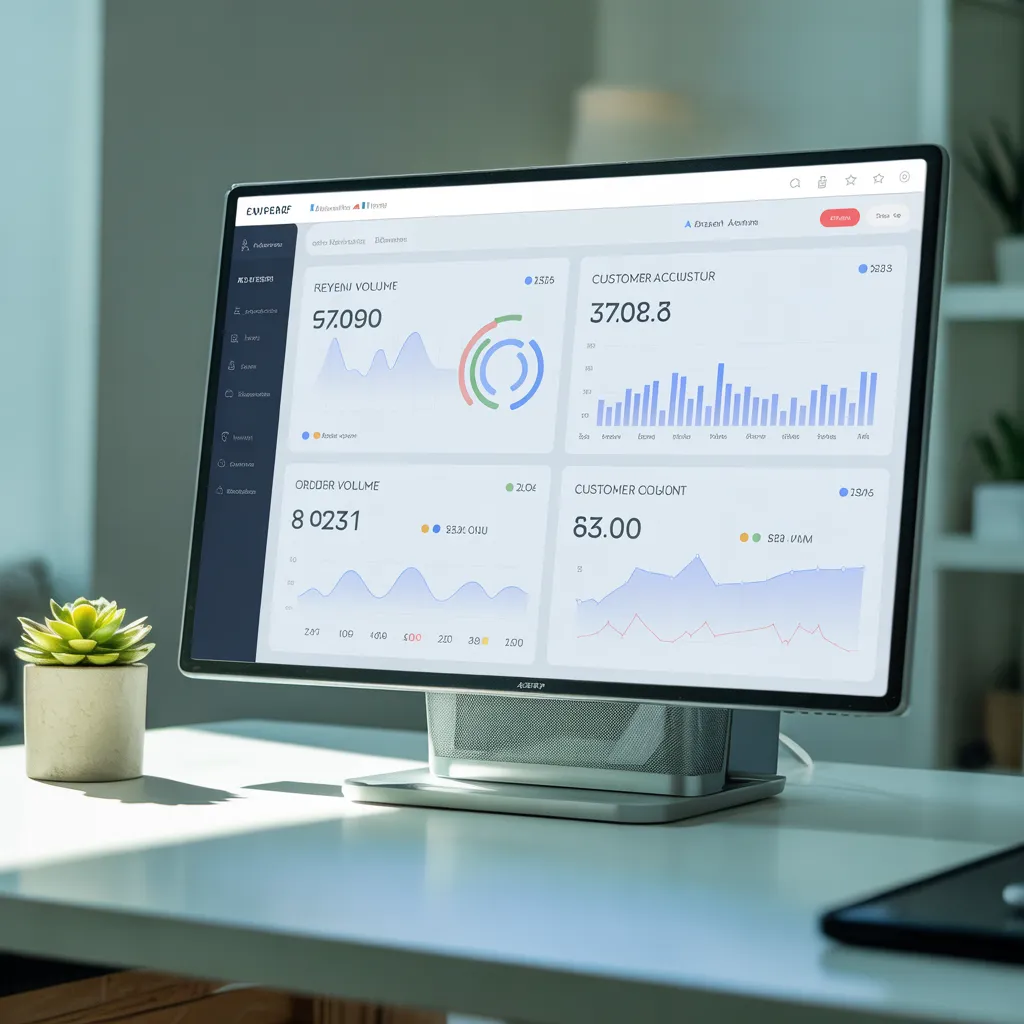
Why Online Retail Enterprises Need Insights to Succeed
E-commerce businesses rely more and more on analytics to handle a tough landscape. The rapid growth of online shopping has increased competition, making it vital for businesses to use data-driven insights. By studying consumer behavior, businesses can recognize trends, choices, and buying patterns that shape marketing strategies and product offerings. This analytical strategy allows companies to optimize their inventory management, ensuring that popular items are always in stock while limiting overstock of less popular products.
Moreover, analytics facilitate focused advertising, allowing businesses to connect with specific demographics effectively. Understanding customer journeys through data assists in refining the user experience, reducing cart abandonment rates, and increasing conversion rates. In an environment where consumer preferences can shift quickly, businesses that harness the power of analytics are better equipped to adapt and thrive. Ultimately, analytics serve as a essential tool for e-commerce businesses aiming to enhance decision-making and maintain a competitive edge.
Fundamental Digital Business Metrics for Insight-Led Decisions
Making data-driven decisions copyrights on the capability to track and interpret key performance indicators that reveal the condition of an online business. Vital e-commerce stats include conversion rate, which measures the share of visitors making purchases; average order value (AOV), indicating how much customers spend per transaction; and customer acquisition cost (CAC), reflecting the expense required to attract new buyers.
In addition, metrics like cart abandonment rate provide insights into obstacles in the purchasing process, while customer lifetime value helps determine the long-lasting profitability of a customer. Source channels, whether natural, sponsored, or recommendation-based, function an important role in measuring promotional effectiveness. Understanding these measurements empowers e-commerce companies to refine strategies, boost promotional campaigns, and enhance user satisfaction. By focusing on these vital KPIs, companies can develop informed decisions that produce expansion and financial returns.
Finding the Most Suitable Analytics Tools Tailored to Your Needs
Determining the appropriate data analysis tools is essential for entities aiming to leverage insights from their KPIs. Corporations must initially assess assess their individual needs, bearing in mind factors such as data volume, integration capabilities, and user accessibility. A broad range of platforms exists, spanning feature-rich solutions that offer all-in-one solutions to specialized software targeting niche metrics.
Budgetary constraints also represent a significant matter; companies should analyze pricing models to make certain they are using funds wisely. Scalability is another crucial consideration, as organizations need tools that can expand in line with their business needs.
In addition, the ability to tailor reports and dashboards can enhance the significance of generated insights. Training resources and user support should not be overlooked, as effective implementation often dictates the achievement of an analytics strategy. By carefully evaluating these factors, companies can select the analytics tools that best align with their objectives and operational requirements.
Reviewing Customer Tendencies Effectively
Recognizing customer behavior is essential for driving sales and improving user experience. Comprehensive analysis involves gathering and analyzing data from various touchpoints, including website interactions, purchase histories, and customer feedback. By applying robust analytics tools, e-commerce businesses can detect trends in customer preferences, such as popular products and seasonal buying patterns. Moreover, categorizing audiences based on demographics and purchasing behavior allows for more targeted insights.
Vital metrics like sales conversion rates, abandonment rates, and cart abandonment rates present valuable information on audience involvement and potential pain points in the shopping journey. In addition, heatmaps can highlight which areas of a webpage receive the most engagement, steering layout refinements. By consolidating this analytics, businesses can form a detailed comprehension of their customers, in the end resulting in knowledge-based decisions that enhance the overall retail experience and fuel growth.
Leveraging Analytics for Individualized Advertising Tactics
Across the landscape of e-commerce, insights represents an indispensable element in establishing personalized marketing strategies. By applying data-driven audience segmentation, businesses can uncover specific customer groups and explanation modify content delivery accordingly. Additionally, predictive behavior analytics facilitates marketers to understand customer needs, strengthening engagement and conversion rates.
Insight-Focused Audience Classification
Audience segmentation driven by data acts as a cornerstone for powerful personalized marketing plans. Using analytics, e-commerce businesses can divide their customers into specific segments based on behaviors, preferences, and demographics. This accurate segmentation enables marketers to customize their campaigns, ensuring messages resonate with specific audiences. For copyrightple, analytics can uncover which products appeal to particular demographics, allowing for targeted promotions that boost engagement and conversion rates. Furthermore, understanding customer journeys through data analysis allows brands to optimize their marketing efforts, driving greater retention and loyalty. In the end, using data-driven audience segmentation not only improves customer experience but also maximizes marketing ROI, making it a vital practice for any e-commerce company aiming to succeed in a competitive market.
Adapted Data Provision
Effective customer segmentation paves the way for tailored content delivery, which is crucial to personalized marketing strategies. By using analytics, businesses can identify distinct customer profiles based on preferences, behaviors, and demographics. This data facilitates the creation of content that appeals to targeted segments, improving engagement and conversion rates. For instance, targeted email campaigns deliver personalized product recommendations, while dynamic website content responds to user interactions in real time. Additionally, insights derived from analytics let companies adjust their messaging to better fit their audience's interests. Ultimately, customized content delivery strengthens customer relationships and promotes loyalty, positioning e-commerce brands for sustained success in a competitive environment.
Predictive Behavior Insights
Revealing insights from predictive behavior analytics empowers e-commerce companies to craft highly personalized marketing strategies. Through analyzing customer data, businesses can detect trends and trends in consumer actions, allowing them to predict future buying decisions. This predictive skill enables targeted marketing initiatives, such as customized product recommendations and personalized promotions, greatly increasing customer engagement. Moreover, grasping individual preferences assists businesses in maximizing advertising budgets, guaranteeing marketing messages connect with the appropriate audience at the optimal time. As a result, predictive behavior analytics not only fosters stronger customer relationships but also drives conversion rates and revenue growth. In an increasingly competitive market, leveraging these insights becomes essential for sustained success in e-commerce.
Ways Business Intelligence Can Support You in Handling Inventory More Efficiently
Analytics operates as an essential mechanism in optimizing inventory management by leveraging demand forecasting methodologies. These approaches facilitate businesses to predict future product desires based on historical data and market trends. Moreover, inventory turnover evaluation supplies comprehension into the velocity at which products are sold, aiding to copyright streamlined stock figures.
Demand Projection Techniques
As organizations endeavor to fulfill customer requirements while minimizing costs, demand forecasting strategies have emerged as essential tools for supply control. These techniques leverage past sales records, market dynamics, and seasonal factors to determine future product demand accurately. By deploying statistical frameworks and advanced algorithms, companies can identify insights and calibrate inventory levels as required. This forward-focused approach lessens the risk of stockouts and overstock scenarios. Additionally, weaving in outside factors such as market indicators or consumer behavior can enhance forecasting accuracy. Ultimately, precise forecasting facilitates e-commerce businesses to streamline processes, improve customer satisfaction, and preserve a competitive advantage in the marketplace.
Stock Turnover copyrightination
Inventory turnover analysis done effectively proves key for e-commerce businesses looking to refine their operations. It delivers details on the rate at which inventory sells and gets replenished during a defined interval, supporting businesses in detecting patterns and reaching sound conclusions. Analytics usage lets firms spot slow-selling goods possibly needing price cuts or offers to free room and thus cut storage costs. Furthermore, turnover rate comprehension supports superior stock control by keeping popular items stocked and limiting overstock. This analytics-focused strategy helps e-commerce retailers sync inventory to consumer needs, raising profitability along with customer satisfaction. Amid stiff competition, solid inventory turnover analysis acts as a vital means to copyright growth and efficiency.
Shifting Insights To Action: Making Information-Based Judgments
Business decisions that are analytics-based empower organizations to transform insights into concrete actions. By leveraging detailed analytics, firms can spot trends, consumer habits, and operational inefficiencies. This data not only shows what is working but also uncovers areas for improvement. For copyrightple, understanding customer purchasing patterns permits businesses to tailor promotional plans that appeal with desired customers, thereby enhancing engagement and conversion rates.
Furthermore, instantaneous insights promote responsive strategy execution, helping companies to change course quickly to market changes. By employing A/B testing, businesses can assess the performance of different approaches, refining their strategies based on data-driven results.
Ultimately, the move from insights to action demands a pledge of ongoing learning and adjustment. Enterprises that prioritize evidence-based methodologies are best suited to make well-reasoned determinations, streamline their workflows, and improve overall performance. Accepting this framework is crucial for e-commerce companies striving to prosper in a competitive terrain.
Commonly Asked Questions
What Role Can Analytics Play in Improving My Website's User Experience?
Analytics tools can elevate a website's user experience by analyzing customer interaction data, improving navigation, personalizing content, and reducing friction points. This data-driven approach promotes continuous improvements, ultimately generating heightened user satisfaction and engagement.
What Are Common Mistakes in E-Commerce Analytics?
Common pitfalls in e-commerce data analysis include neglecting dataset integrity, relying solely on statistical measures, failing to segment audiences, ignoring mobile user activity, and not incorporating findings into planning processes, which can obstruct effective strategy development and improvement.
How Regularly Should I Analyze My Analytics Data?
Assessing analytics data regularly allows timely changes, while monthly reviews provide a comprehensive outlook on movements. Frequent analysis guarantees informed decision-making, aiding to spot opportunities and address potential issues effectively in e-commerce strategies.
Can Analytics Assist With Client Loyalty Strategies?
Analytics can greatly enhance customer retention strategies by identifying purchasing patterns, analyzing customer conduct, and identifying improvement opportunities. These intelligence help businesses to customize their strategies, building loyalty and promoting repeated interactions effectively.
What Privacy Considerations Should I Review With Analytics?
Privacy issues with analytics include data collection visibility, user agreement, potential data breaches, and adherence with regulations like GDPR. Businesses must guarantee ethical practices to maintain customer reliance while applying analytics for insights.